
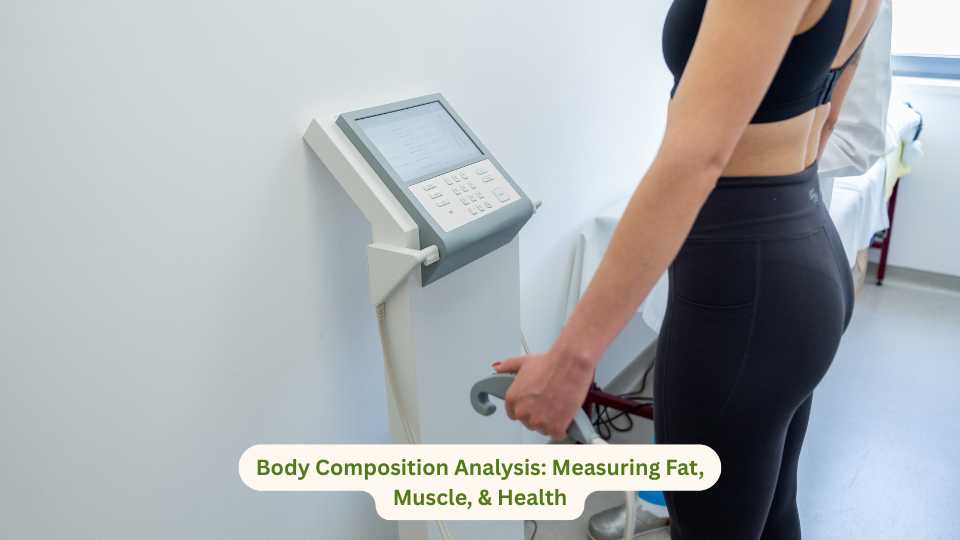
Have you ever wondered why you are feeling not so healthy even when your weighing scale is showing your ideal body weight? The truth is, your overall health is much beyond your weighing scale, as it just conveys a partial story. It is essential to know your overall body composition ratio, comprising water, fat, bone, and muscle in your body, to get a better idea about your health. Even if your body weight doesn’t change, you might be accumulating fat, building muscles, or becoming healthier. This is where BCA or Body Composition Analysis becomes handy. It doesn’t focus on your weight alone but gives you a clear picture of what’s happening inside your body. This analysis is not just useful for fitness lovers or athletes but can help you understand how your current body composition affects your everyday activities and life. If you are trying to become healthier, managing diabetes, dealing with low energy, or trying to lose fat, knowing the complete breakdown analysis of essential components will help you make better decisions. Keep reading to understand the significance of Body Composition Analysis and how it helps fulfill your health goals.
What Is Body Composition Analysis and Why Does It Matter for Health?
BCA, or Body Composition Analysis, refers to a comprehensive tool that helps analyze the actual makeup of your body rather than relying on the weight scale digits alone. This analysis assesses your overall health by breaking down all the core body components like water content, bone and muscle mass, and fat percentage [1]. It offers you an accurate picture of your complete health status instead of measuring your BMI or Body Mass Index. It is considered an effective approach to understand your health and fitness level to get the perfect personalized fitness strategy. With BCA, you will be able to understand how fluid retention plays a role in your body weight fluctuations, learn the ratio of muscles and fat, and the risk of developing obesity, heart issues, and diabetes [2]. It doesn’t matter if you are aiming to gain muscle mass, ditch extra fat, or achieve a healthy physique, it is essential to know your body composition to make better health decisions.
Difference Between Body Composition Analysis and BMI
- Rate of Accuracy: BMI or Body Mass Index is a simple calculation metric that is easily available and helps you learn whether your body weight is above or below the ideal range. But it is not accurate in terms of determining overall health parameters. Body Composition Analysis provides a detailed evaluation by identifying the specific components that make up your body [3]. It also offers a comprehensive analysis to understand your body perfectly before trying a new treatment or making changes to your diet.
- Fat and Muscle Distribution: BMI is based on a simple equation that doesn’t actually distinguish between your fat and muscle ratio. Even though both fat and muscle weigh the same, people with higher muscle mass might be wrongly declared as obese even if they have low body fat. Body Composition Analysis, on the other hand, offers a complete view of the ratio of fat and muscle distribution in your body.
- Personalized Approach: As BMI focuses on determining obese and underweight individuals strictly based on weighing scale numbers, it doesn’t offer a personalized approach [5]. It doesn’t identify the amount of fat or muscle mass in individuals, as it just ranks obesity and underweight based on the healthy weight range. The report by Body Composition Analysis offers a customized assessment of your overall lean mass and body fat.
- High Chances of Misclassification: As discussed already, relying on BMI is not a good idea for people trying to gain muscle mass by performing strength training and workouts, as they may fall under the overweight category. If you are making diet alterations or beginning an exercise regimen, you might require an accurate body composition analysis to have better energy, mood, and feel stronger.
Key Components of Body Composition: Fat, Muscle, and Water
1. Body Fat
Your body fat serves as your main energy-storing reserve and is of two types: storage fat and essential fat. Storage fat refers to the visceral fat and subcutaneous fat that accumulate around your internal organs and beneath the skin. Excess visceral fat is stubborn and will trigger the onset of chronic conditions like heart issues and diabetes. Essential fat powers your body’s physiological functions, like protecting organs and regulating basal temperature. It is present in the central nervous system, bone marrow, and internal organs.
2. Muscle mass
If you are aiming at achieving a lean body that is free from fat, you need muscle mass. When you perform workouts regularly, your body will build skeletal muscle mass, which aids in metabolism and mobility, and helps maintain better posture. Building muscle mass will promote longevity and help avoid age-related illnesses.
3. Body Water Level
About 50 to 70% of your overall body weight is made up of water, making it a vital component. Staying hydrated will help manage body temperature, support nutrient transit, and aid in the effective removal of body waste. Knowing the water percentage through body composition analysis will help in identifying conditions like edema and dehydration.
Common Methods of Body Composition Analysis in India
Kolors Healthcare, the renowned health and wellness center in India specializing in chalking out customized weight loss procedures, offers the following advanced methods of body composition analysis.
- Anthropometry Method: This procedure involves taking specific body measurements like hip and waist circumference, body weight, and height [6]. Such measurements are taken to assess the ratio of body fat distribution and monitor the progress you make with time. Experts at Kolors will utilize these measurements along with Bioelectrical Impedance Analysis to make an accurate assessment and evaluation for making dietary changes and suggest weight gain or weight loss treatments.
- Bioelectrical Impedance Analysis: This body composition analysis method offers a complete breakdown of body composition in terms of water content, muscle mass, fat percentage, and bone mass [7]. It is a non-invasive and quick procedure that is performed using low electrical current to determine your body’s resistance level, as lean muscles can conduct electricity perfectly compared to fat tissue. The results of Bioelectrical Impedance Analysis will help the experts develop a tailored diet as well as treatment modality [8].
Who Should Get Body Composition Analysis?
- Individuals aiming to lose weight or gain body weight
- Fitness lovers
- Athletes
- People who are at a higher risk of developing chronic issues like fatty liver, sarcopenia, and obesity [9]
- People with eating disorders
- Post-surgery patients
How Often To Get Body Composition Analysis?
- Once every 6 weeks for intensive muscle gain or fat loss
- One in 3 to 6 months for maintaining general health
- Once every three weeks for tracking changes after a new treatment or diet plan
Benefits of Body Composition Analysis for Weight Management and Wellness
The significance of Body Composition Analysis is that it can deliver a clear-cut and detailed picture of your health. Here’s why Body Composition Analysis is important:
- Helps Identify Potential Health Risks: If you have excess body fat, especially in and around the abdomen, you might face the risk of developing type 2 diabetes, cardiovascular conditions, and specific types of cancers. With Body Composition Analysis, identifying these health risks becomes easier.
- Monitor Fitness Levels: With regular Body Composition Analysis, tracking the changes in the percentage of body fat and muscle mass is possible for individuals aiming for weight loss or gain. It is also beneficial for people involved in strength training and athletes.
- Manage Chronic Health Issues: Checking your body composition at regular intervals will help those dealing with sarcopenia, obesity, or osteoporosis. You will be able to check the progress level at every stage and make effective adjustments to your treatments and diet.
- Customized Workout and Diet Strategies: Your doctor will be able to suggest personalized diet plans and workout regimes based on your present body composition to address your health and fitness concerns [10].
- Enhance Overall Health: With Body Composition Analysis, you will be able to get a professional insight regarding your muscle-to-fat ratio and know your hydration levels to improve mobility, enhance energy, and promote your quality of life.
Using Body Composition Analysis to Track Fitness and Health Progress
- Monitor Progress Accurately: With body composition analysis, you will be able to get a precise picture of the progress you make after a new diet or treatment. It will help you stay assured that you are building muscle mass while losing fat with the new workout regimen and dietary changes.
- Health Tracking: If you were at a higher risk of developing chronic conditions like heart issues, hypertension, or diabetes, you can manage or prevent them with regular body composition analysis.
- Set Health Goals and Stay Motivated: By taking body composition analysis once every few weeks or months, you will be able to notice positive changes in your body, which can be motivating. When you have accurate evidence that your fitness efforts are paying off, you can begin conquering every health goal.
Reference Links
- Duren DL, Sherwood RJ, Czerwinski SA, Lee M, Choh AC, Siervogel RM, Cameron Chumlea W. Body composition methods: comparisons and interpretation. J Diabetes Sci Technol. 2008 Nov;2(6):1139-46. doi: 10.1177/193229680800200623. PMID: 19885303; PMCID: PMC2769821. – https://pmc.ncbi.nlm.nih.gov/articles/PMC2769821/
- Shankuan Zhu, Steven B Heymsfield, Methodological standards for body composition—an expert-endorsed guide for research and clinical applications: levels, models, and terminology, The American Journal of Clinical Nutrition, Volume 122, Issue 2, 2025, Pages 384-391, ISSN 0002-9165, https://doi.org/10.1016/j.ajcnut.2025.05.022. – https://www.sciencedirect.com/science/article/pii/S0002916525002771
- Alberto Bazzocchi, Silvia Gazzotti, Lidia Santarpia, Clelia Madeddu, Maria Pilar Aparisi Gómez – https://www.frontiersin.org
- –
- Krishna KUP, Dhas ES. Nutritional assessment and body composition analysis of women faculty in Madurai [Internet]. J Nutr Metab Health Sci. 2022 [cited 2026 Jan 07];5(1):26-31. Available from: https://doi.org/10.18231/j.ijnmhs.2022.005 – https://jnmhs.com/archive/volume/5/issue/1/article/1867
- Göksun Ayvaz * and Ali Rıza Çimen Gazi University Medical Faculty, Ankara, Turkey – https://openobesityjournal.com/contents/volumes/V3/TOOBESJ-3-62/TOOBESJ-3-62.pdf
- Rebecca Kuriyan, Division of Nutrition, St John’s Research Institute, St John’s National Academy of Health Sciences, Bengaluru, India – https://ijmr.org.in/body-composition-techniques/
- Francesco Campa1, Department for Life Quality Studies, Università degli Studi di Bologna, 47921 Rimini, Italy – https://www.mdpi.com/2072-6643/13/5/1620
- Liang, Xiongfei MDa,b; Chen, Xianhua MDb; Li, Jing MSc; Yan, Mengdan MSc; Yang, Yifeng MDa,*. Study on body composition and its correlation with obesity: A Cohort Study in 5121 Chinese Han participants. Medicine 97(21):p e10722, May 2018. | DOI: 10.1097/MD.0000000000010722 – https://journals.lww.com
- Holmes CJ, Racette SB. The Utility of Body Composition Assessment in Nutrition and Clinical Practice: An Overview of Current Methodology. Nutrients. 2021 Jul 22;13(8):2493. doi: 10.3390/nu13082493. PMID: 34444653; PMCID: PMC8399582. – https://pmc.ncbi.nlm.nih.gov/articles/PMC8399582/