

Introduction
Losing weight is a huge accomplishment, yet it may be tempting to keep losing it, which sometimes may feel like an even bigger task. The pounds are likely to creep in once people attain their target. Having gone through this, you may wonder: ‘Why does weight gain after losing weight? It is more than eating less and exercising more. Biological changes in appetite, routine daily activities and metabolic activities result in weight control in the long-run. Instead of perceiving weight loss as a short-term program and having a definite endpoint, maintenance should be considered a long-term flexible way of life. Weight loss or weight gain over time may be affected by changes in appetite, daily activities, physical activity and eating habits. Knowing these factors can help you to take a realistic view of weight maintenance. This is because rather than being a programme that you have to complete, it could be useful to see maintenance as a way to continue to have a healthier lifestyle.
Why Does Weight Come Back After Losing Weight?
One of the main reasons for gaining weight after weight loss can be due to the weight loss habits that may have been learned during the initial weight loss period and are no longer practiced. Others may have a strict diet for some weeks or months, and relax it after a while. This may result in weight regain following weight loss and lead to weight gain. This can also occur with the physical activity, and particularly if they cease exercising once the workout is over.
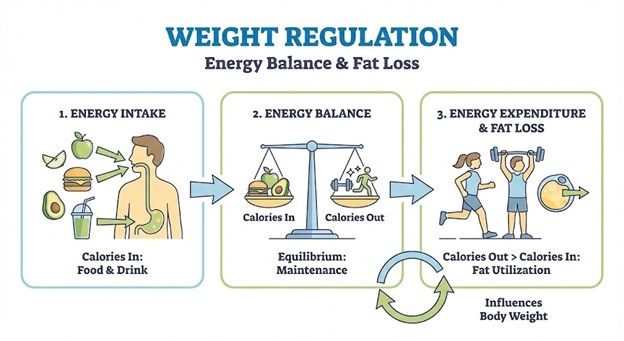
Metabolic Adaptation (Adaptive Thermogenesis): When a person has lost a lot of weight, the resting metabolic rate (RMR) falls to a lower level than would be expected of a person of that size, and the body burns up less energy by resting metabolism.
Hormonal Swings: the decreased concentration of leptin (satiety hormone) and increased concentration of ghrelin (hunger hormone) provide powerful and enduring messages of hunger to restore energy stores.
Loss of Lean Muscle Mass: The rapid weight loss normally results in the loss of muscle along with the fat loss that further reduces the calorie burning.
Common Reasons for Gaining Weight Back
There are several reasons for gaining weight back after successful weight loss. A very common reason is because people slip back into their old habits. A person on a weight-loss diet can make conscious decisions about what to eat, portion their food and exercise. Following the programme, these behaviours could slowly disappear and weight gain can become easier. Eating and activity patterns may also be disrupted by changes in day-to-day routines, especially when there is a lot going on or stress.
Following a very restrictive diet is another factor. If a diet plan looks impossible to adhere to even in theory, it likely won’t be feasible in reality.!
Proportional Nutrition: Be mindful of flexible, well-balanced diet plans and portion awareness instead of restrictive nutrition.
Regular Exercising: Have regular daily exercises (walking, cycling, swimming) and regular exercises.
Sleep and Stress Hygiene: Sleep (7-9 hours) and learn to cope with stress to have control over emotional eating.
Weight Loss Is Not the Same as Weight Maintenance
Weight loss and weight maintenance are very different. When it comes to weight loss, the emphasis lies with the creation of changes that will enable a person to lower their body weight for a specific period. Maintenance focuses on making sure those changes are still realistic and carried out in the day-to-day life.
This is important because, if they wish to lose weight, they will have a definite roadmap to follow; if the changes required to maintain that weight loss can be timed to fit into their work, family, social and other schedules. It’s more sustainable to set up habits that can be maintained over a period of time, as opposed to the restrictions that people do for a short amount of time and then give up.
How to Maintain Weight After Losing It
Regular, daily routines are important to constant weight loss. This includes eating a healthy diet. Rather than having to resort to rigid dieting, people can just concentrate on healthy eating, portion control and eating a diverse diet that suits their lifestyle. In addition, a regular eating pattern can prove useful when it comes to making food selections throughout the day.
Regular physical activity is another way of maintaining. Intense workouts don’t always have to be exercise. Making the move a part of everyday life can be achieved through walking, cycling, swimming, structured exercise or other fun activities. The most suitable activity will be selected according to individual choice, ability and time.
Remind yourself to monitor any weight changes and lifestyle changes also. It is important to check progress regularly to gather information on any small changes that can happen before it gets too hard. Other factors to consider are sleep & stress management. Good sleep habits and tips for living through stress can help encourage healthy lifestyle practices.
How to Prevent Weight Regain
The key is to know what caused the weight loss in the first place, so that you can prevent weight regain. Once it has reached a desired weight loss goal, it may be helpful to continue using the positive habits that contributed to the weight loss and gradually create a sustainable habit maintenance plan.
This can be done by planning. When you are busy, it doesn’t have to be a big deal to make the meals, have healthy foods easily available, and exercise regularly. People can also identify moments that can make it difficult to make healthy decisions, such as emotional eating, irregular schedules or frequent social meals.
It’s important to have realistic expectations as well. This is not a “perfection diet”. Routines may vary and there might be times when there is a weight change. The emphasis needs to be placed on changing back to the sustainable way of living instead of reacting to minor changes with drastic measures.
The Role of Professional Support in Long-Term Weight Management
Perpetual weight control is seldom a one-fits-all experience. The generic advice could not be effective in the majority of the cases since the requirements of physiological aspects, the metabolism and lifestyle of various individuals vary. Working with the experienced individuals will provide you with personalized information, systemic accountability, and personalized methods that suit your life.
Call to Action (CTA):
“Ready to build a sustainable, long-term approach to your health? Book a visit to Kolors Healthcare and have a customized weight management plan that would fit your body and lifestyle.
Conclusion
So, why does weight come back after losing weight? There are several reasons why people gain weight, including alterations in eating habits, lack of activity, stress, hunger, and difficulty keeping the formerly restrictive eating habits. Rather than that, it does not mean that previous successes have been forgotten. Instead, it focuses on the importance of taking dietary weight maintenance into account as an ongoing process.
Maintaining weight after losing it is a matter of establishing habits that are easy to keep up. Eating a healthy diet, exercising, getting enough rest, managing stress and rotating activities are all beneficial to maintaining a healthy weight long-term. Although short-term changes might be required, they can be achieved in a more sustainable manner by focusing on sustainable habits.